Entry · Ref RXZPSKGD
Why Quick Action Matters for Mold Remediation in Gettysburg PA
- Posted
- 2026-11-03
- Last amended
- 2026-11-03
- Account
- @thegettysburgpamoldworld
If you live in Gettysburg, you know the humidity can get thick in the summer. That old stone basement or the crawlspace under your porch stays damp longer than you might realize. Mold does not wait around. It starts growing in as little as 24 to 48 hours after a leak or flood. Once it takes hold, it is not just a stain on the wall. It can affect your breathing, your home's structure, and even your resale value. That is why knowing who to call for mold remediation Gettysburg PA is more than a convenience. It can be the difference between a quick fix and a major renovation.
I have worked on water-damaged homes in Adams County for over a decade. Every season brings a new set of problems. Spring rains flood basements along the Rock Creek watershed. Summer humidity feeds colonies in attics and bathrooms. Winter ice dams can back water up behind siding. And fall, with all those leaves, clogs gutters and sends water seeping into foundations. Each situation needs a different approach. But the common thread is speed. The faster you dry things out and treat the affected area, the less work it takes to get your home healthy again.
How Mold Grows and Why It Matters
Mold needs three things: moisture, a food source (like drywall, wood, or dust), and the right temperature. Most homes in south-central Pennsylvania give it all three. When a pipe leaks behind a wall or groundwater seeps into a slab, the moisture soaks into porous materials. Within days, spores that are always floating in the air land on that damp surface and start colonizing. You might smell it before you see it. That musty, earthy odor is often the first sign.
Once mold establishes, it spreads. It can eat through the glue in particle board, rot the framing around a window, and trigger allergies or asthma symptoms in the people living there. Some species, like Stachybotrys chartarum (the so-called black mold), produce mycotoxins that are particularly harsh on respiratory systems. For elderly folks or young children, even short-term exposure can cause trouble. That is why I always recommend getting an inspection after any water intrusion, even if the spot looks small. A trained eye can spot hidden growth behind trim, under carpet, or inside ductwork.
What Professional Mold Remediation Looks Like
Real remediation is not just spraying bleach on a wall. That can actually make things worse by feeding the mold and releasing more spores into the air. A proper process starts with containment. The crew sets up plastic sheeting and negative air pressure so spores do not drift into the rest of the house during the work. Then they remove all porous materials that cannot be cleaned, like rotted drywall, insulation, and carpet. Hard surfaces get scrubbed with antimicrobial solutions and HEPA vacuumed to capture the fine particles.
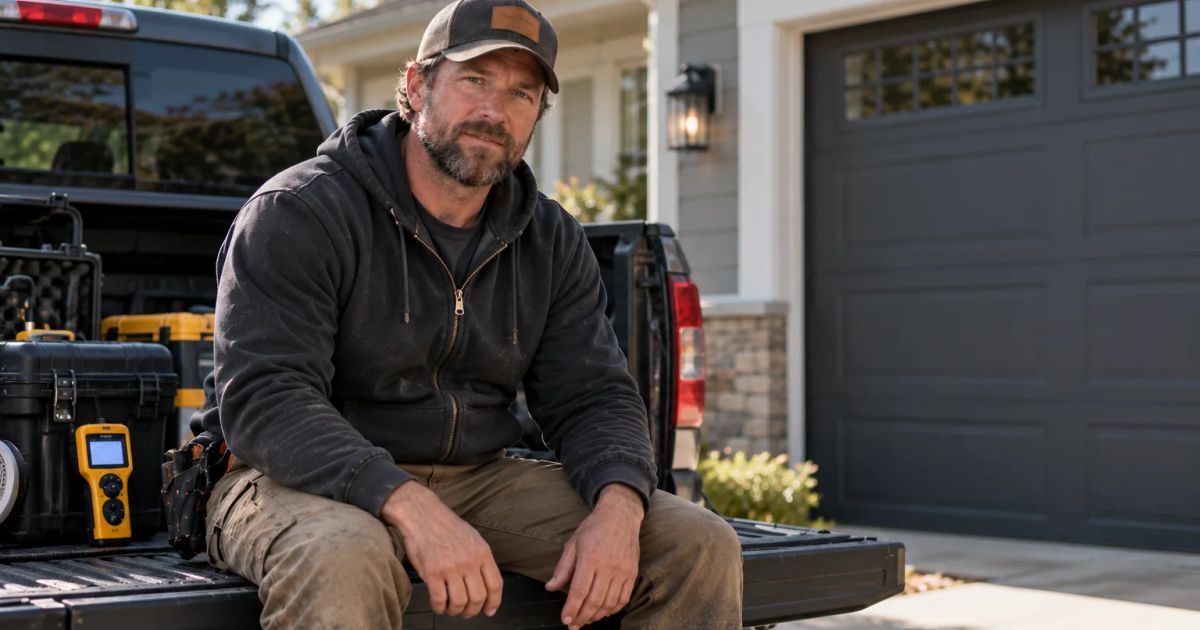
After that, the real work begins. The source of moisture has to be fixed. Otherwise, the mold will come back. That might mean repairing a leaky pipe, regrading the soil around the foundation, or installing a sump pump and dehumidifier in the basement. A good company does not stop at cleanup. They help you understand what caused the problem and how to prevent it next time.
I have seen homeowners try to handle it themselves with store-bought products. Sometimes it works on a small patch of surface mold in a shower. But in a flooded basement or a damp attic, the results are rarely complete. They miss the growth inside the wall cavity or under the flooring. A few months later, the smell returns, and the damage is worse. That is when they call a pro, and the job is bigger and more expensive than if they had called the first time.
Common Causes of Mold in Gettysburg Homes
Every region has its own patterns. Here in Gettysburg, I see a few recurring issues:
- Basement seepage through stone or block walls, especially in older homes near the historic district.
- Poor ventilation in bathrooms and laundry rooms that lets humidity build up day after day.
- Ice dams or clogged gutters that push water under the roofline and into the attic.
- HVAC systems that are not draining properly, creating a damp environment in the ductwork.
- Leaking windows or sliding doors where the seal has worn out over time.
If any of these sound familiar, it is worth having a professional look. The cost of an inspection is small compared to the cost of a full remediation later. And some companies apply the inspection fee to the job if you hire them for the work.
Why Local Knowledge Matters
Mold remediation is not one-size-fits-all. A company that knows the local building styles, the typical soil drainage patterns, and the common weather events will do a better job. For example, homes in the Gettysburg area built before 1940 often have fieldstone foundations. Those walls weep moisture naturally. Sealing them with the wrong paint can trap water inside, leading to spalling stone and hidden mold. A local crew knows not to do that. They understand how to manage the moisture without causing bigger problems.
That is where Gettysburg PA Mold Remediation Pros mold remediation gettysburg pa comes in. They have been working in Adams County long enough to know the quirks of the local housing stock. Whether it is a row house on Baltimore Street or a farmhouse out by Cashtown, they have seen the patterns. They can spot the signs of chronic moisture that someone from out of town might miss. And they work with local restoration contractors if the damage requires more than just mold treatment.
What to Expect During a Remediation Job
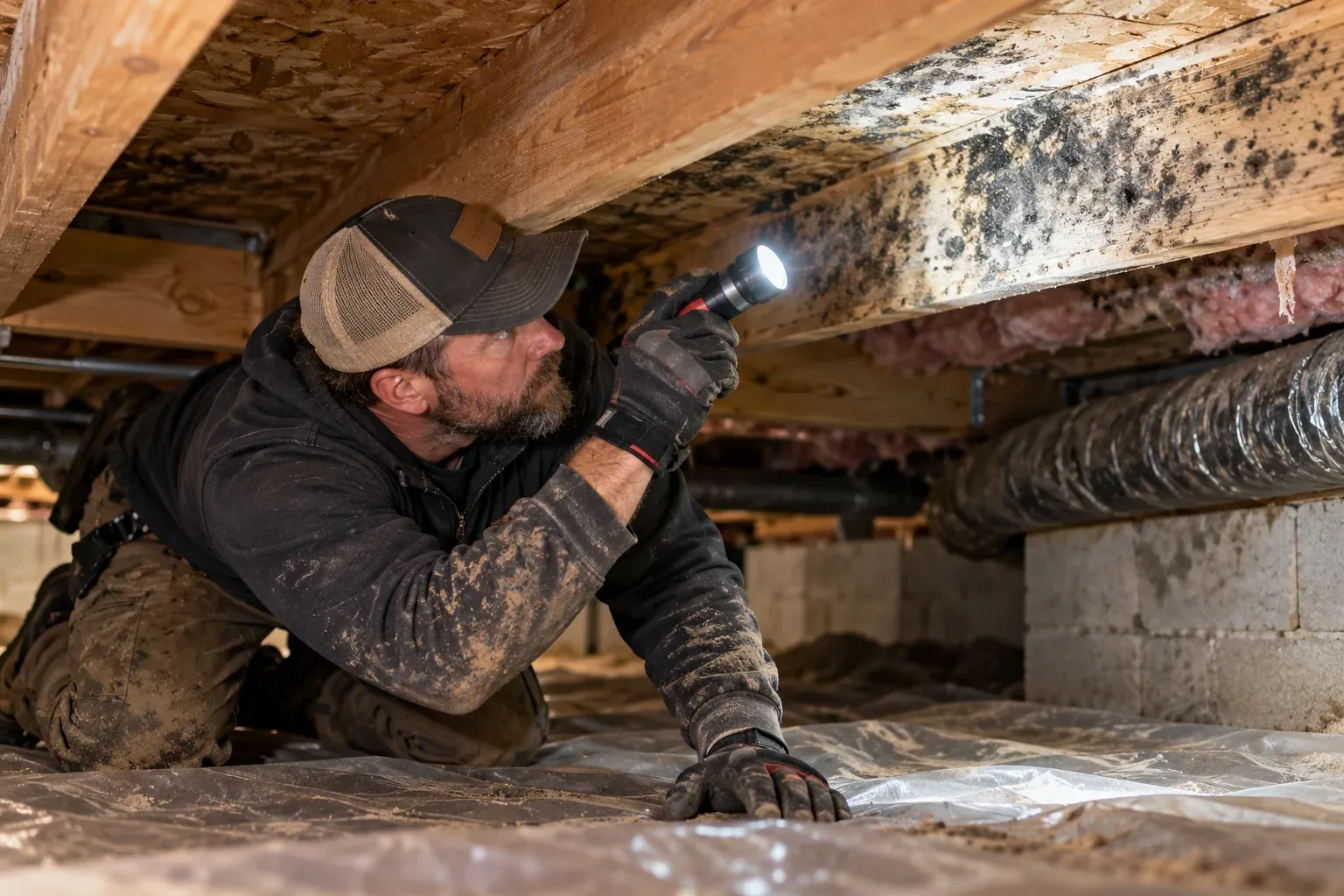
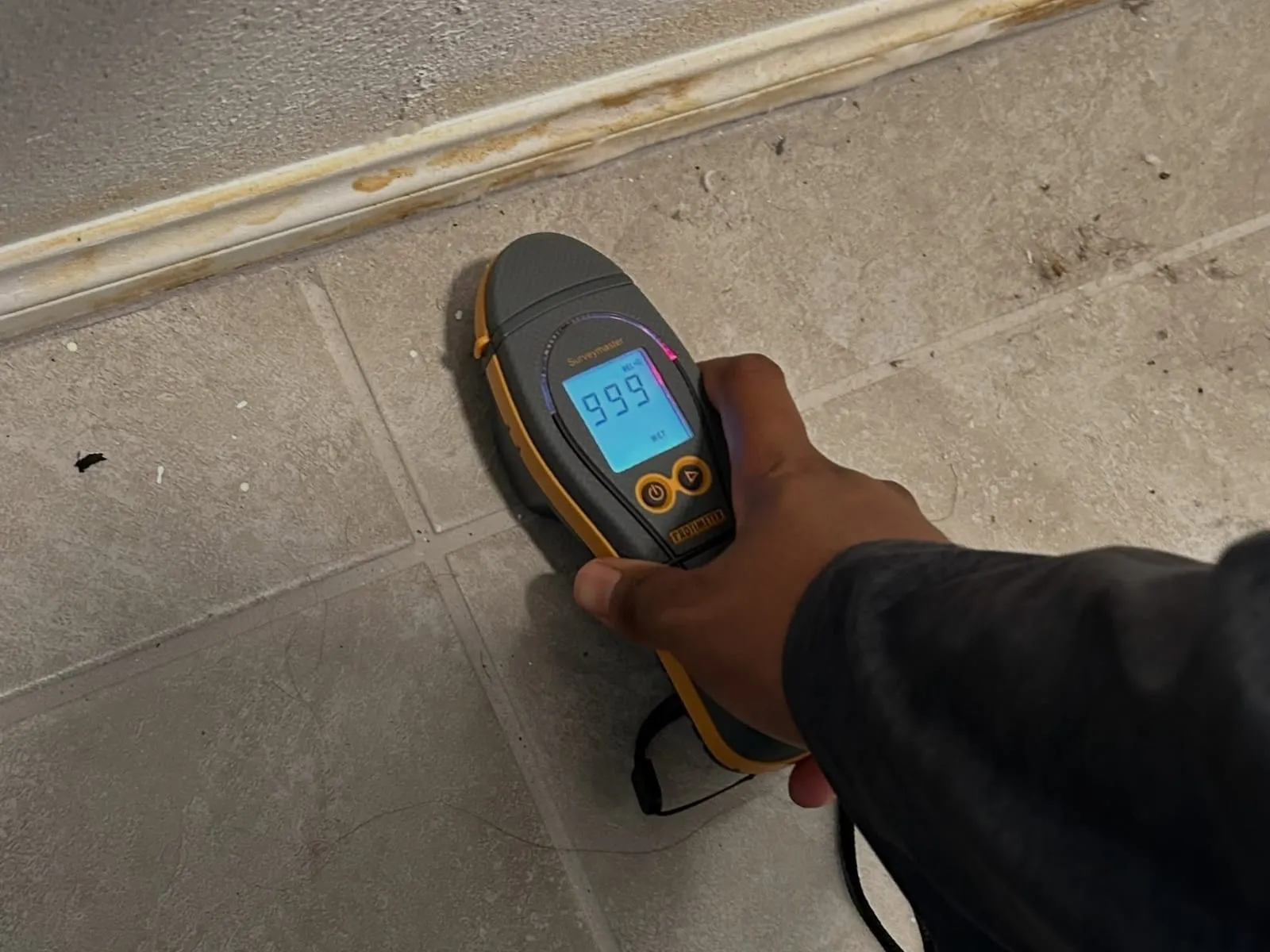
If you schedule an inspection, the tech will walk through the whole house. They will check the basement, the attic, the crawlspace, and the areas around windows and doors. They will use a moisture meter on suspicious spots and may take air samples if you want lab analysis. After that, you get a report that shows where the mold is, what kind it is (if tested), and a plan for removal.
The removal itself can take a day for a small bathroom or several days for a full basement. The crew will move furniture, cover belongings, and set up the containment zone. They will remove and bag the contaminated materials, clean the salvageable surfaces, and dry the area thoroughly. Then they apply an antimicrobial sealer to discourage regrowth. After the work, they often run air scrubbers for a day or two to catch any lingering particles.
One thing I always tell homeowners: expect some disruption. The crew needs space to work, and you might need to stay somewhere else if the containment area is large. But the peace of mind is worth it. A properly remediated home smells fresh, feels drier, and is safer for everyone inside.
Preventing Mold After Remediation
Once the mold is gone, keeping it away is a matter of moisture control. Here are a few practices that help:
- Keep indoor humidity below 60 percent, ideally between 30 and 50 percent. A dehumidifier in the basement during summer makes a huge difference.
- Fix leaks right away. A drip behind the fridge or a sweating pipe under the sink can start a colony if left for weeks.
- Make sure bathroom fans vent to the outside, not just into the attic. Many older homes vent into the attic space, which feeds moisture right where mold loves to grow.
- Clean gutters and downspouts in the spring and fall. Water spilling over the edge can saturate the ground next to the foundation and seep into the basement.
- Check your grading. The soil around your house should slope away from the foundation. If it slopes toward the house, water pools near the wall.
These steps are simple, but they work. I have seen homes that had chronic mold problems for years turn around completely once the homeowner started running a dehumidifier and fixed a few gutter issues.
When to Call a Professional
If you see a patch of mold smaller than a few square feet, you can often clean it yourself with soap and water, wearing gloves and a mask. But if the area is larger, if the mold is inside a wall or under flooring, or if anyone in the home has respiratory issues, call a pro. The same goes if the mold keeps coming back after cleaning. That is a sign that the moisture source has not been addressed.
For residents of Adams County, Gettysburg PA Mold Remediation Pros mold remediation gettysburg pa is a solid local option. They handle everything from the initial inspection to the final drying and sealing. They also do water damage restoration, which is good because the two problems often go hand in hand. A burst pipe or a flash flood rarely stops at just wet carpet. The water soaks into the walls and subfloor, and if it is not dried within a couple of days, mold starts growing behind the baseboard.
Final Thoughts
Mold is one of those problems that does not get better on its own. It spreads, it smells, and it can make you sick. The good news is that with the right help, you can get rid of it and keep it away. The key is acting quickly and hiring someone who knows local conditions. If you live in Gettysburg or the surrounding area, Gettysburg PA Mold Remediation Pros mold remediation gettysburg pa has the experience and the tools to do the job right. Whether it is a small spot in the corner of a closet or a full basement after a flood, a professional approach saves time, money, and stress in the long run.
Follow Gettysburg PA Mold Remediation Pros on
 LinkedIn
 Facebook
 YouTube
 Pinterest